Freya’s Type 1 Cleft Journey
Virginia, USA
By Erika Territo
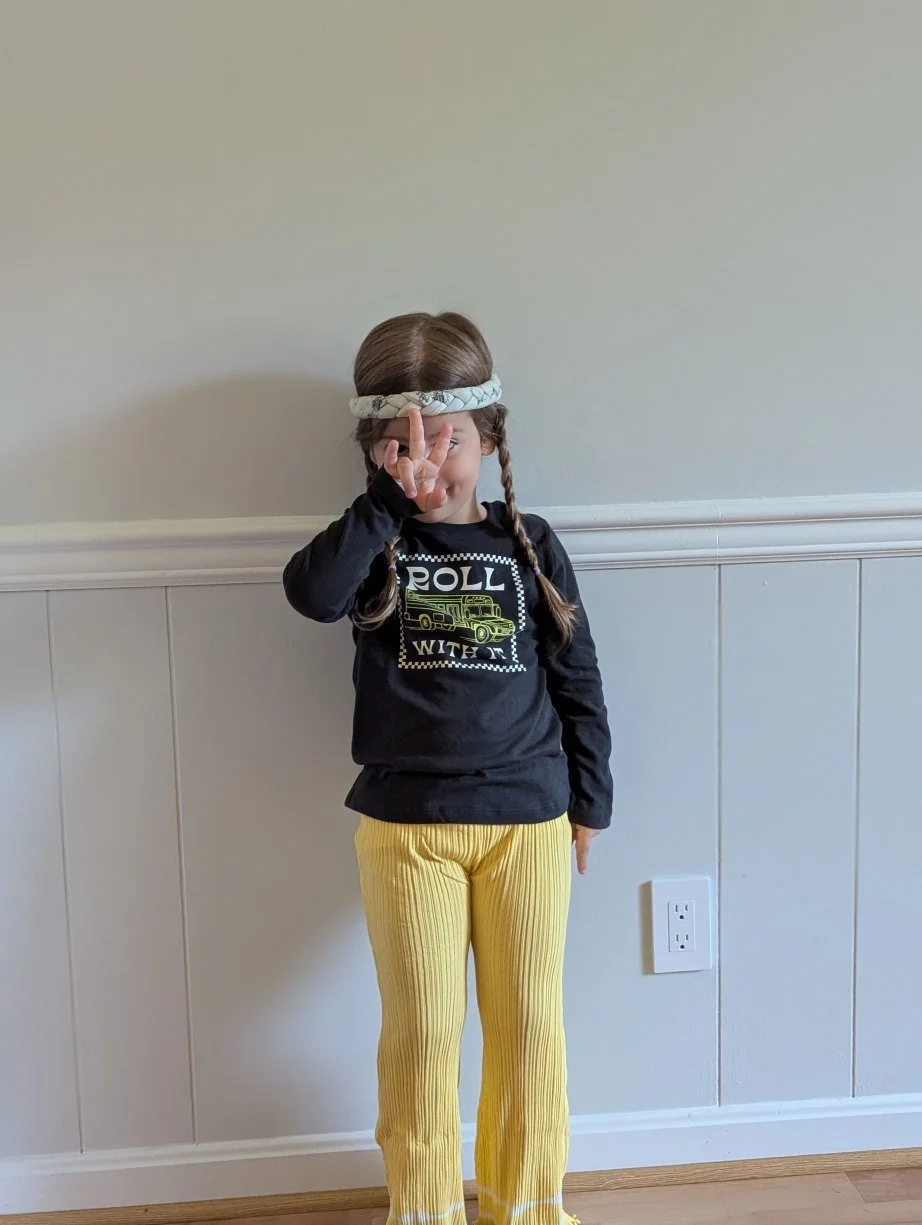
Freya is a 5-year-old girl who was prematurely born with her twin brother. She and her brother spent their first 2 weeks in the NICU. Freya’s hospitalization was due to feeding issues as she was not eating enough and needed a NG-tube. She has since had many medical appointments throughout her life.
During pregnancy, Freya was diagnosed with a right-sided aortic arch. It wasn't until 18 months that she was officially diagnosed with a vascular ring, a congenital heart defect that would require 2 surgeries.
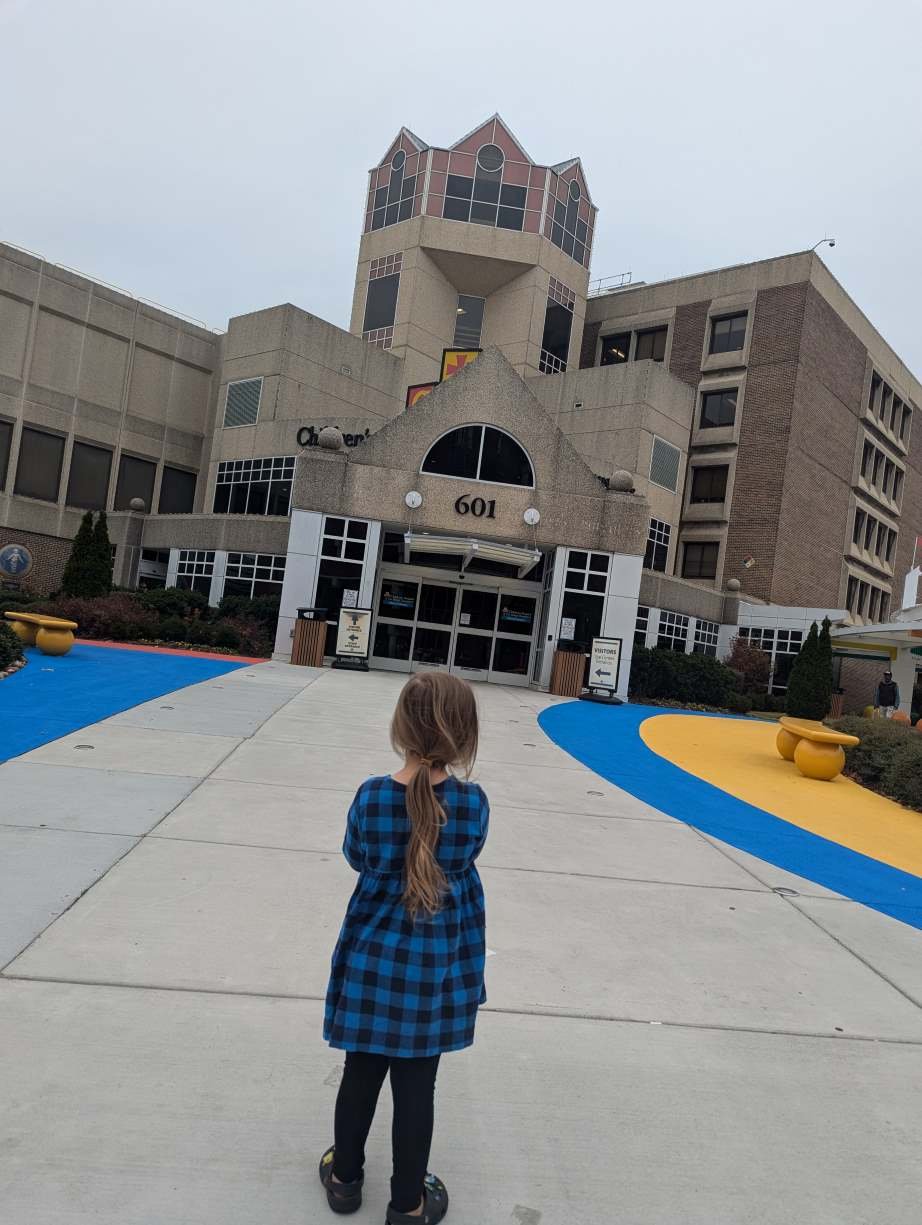
It took a year of advocating to get her first vascular ring surgery at our local children’s hospital. Within 6 months we unfortunately realized her symptoms were still quite severe. Freya was approved to see a vascular ring team at a children’s hospital in Massachusetts. Her second surgery was completed right away.
After the second heart surgery, Freya handled foods much better, but drinking liquids were noticeably still causing a problem. Choking, gagging, and aspirating liquids happened with every meal before she had her heart surgery. After the aortic ring repair, it was more like once a day. She was also experiencing prolonged respiratory infections.
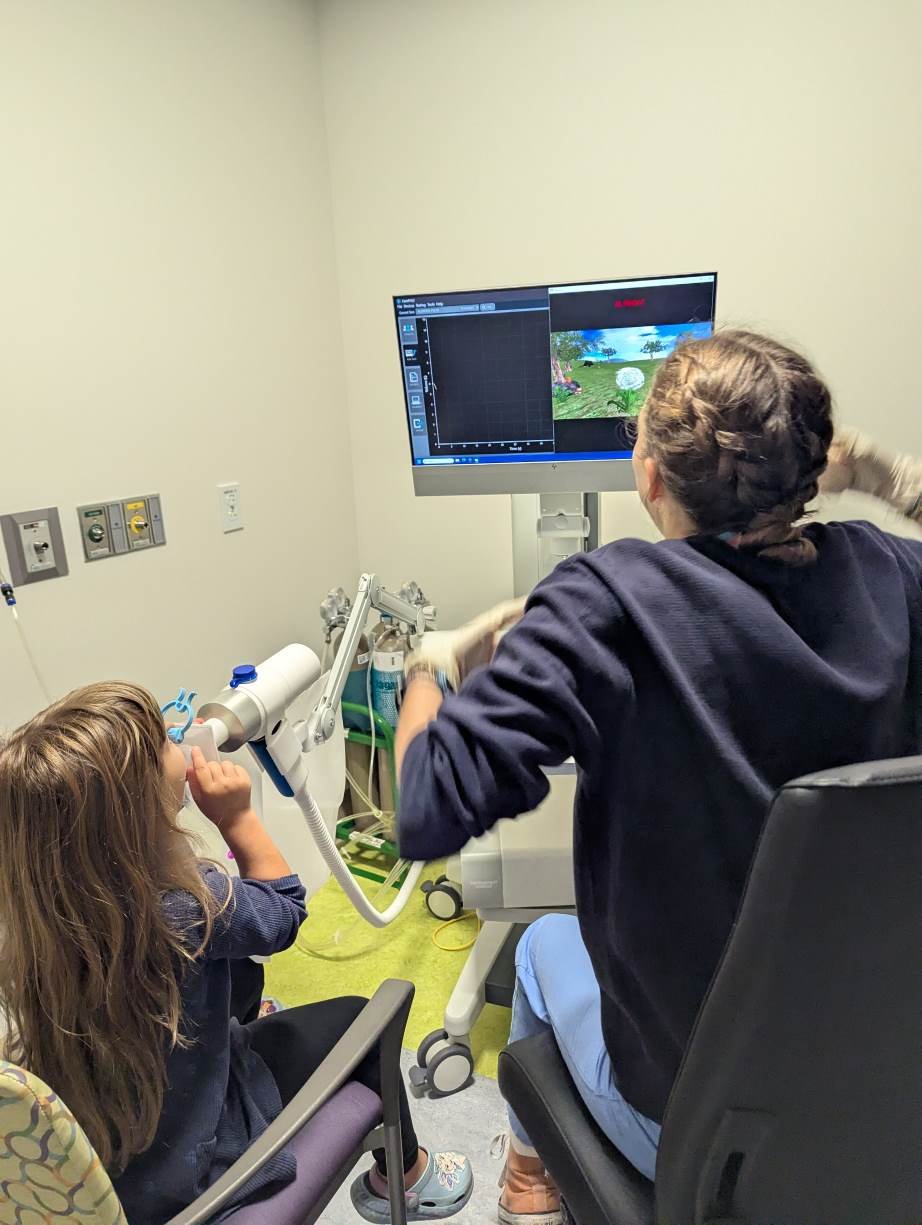
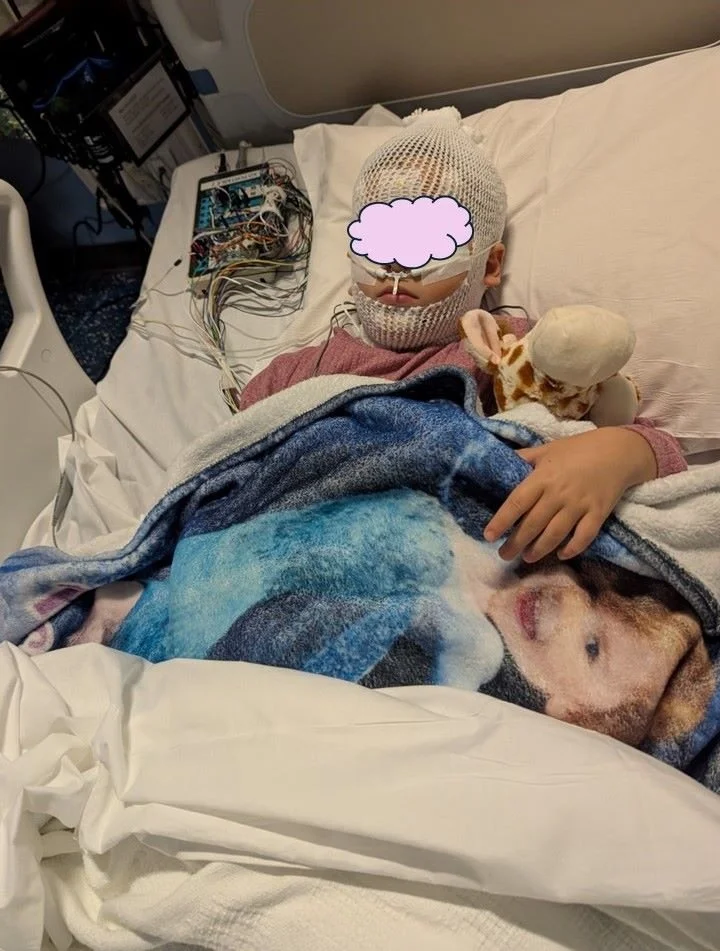
The lingering symptoms were concerning, and Freya was scheduled for a triple scope to rule out the need for another heart surgery. It was during this triple scope that doctors diagnosed Freya with a type 1 laryngeal cleft and suggested we stay for further testing and evaluations. The diagnosis was confirmed and we were told to continue a daily nebulizer and inhaler along with thickened liquid.
Freya was born into the congenital heart disease world, and for us, the laryngeal cleft diagnosis was like starting all over in the medical world. She was 4 years old when we found out she had a laryngeal cleft and learning of a new congenital birth defect was a huge shock.
With all of the testing that has been done throughout her entire life, a laryngeal cleft was never mentioned until her second triple scope and diagnosis. We later learned that symptoms of a vascular ring are quite similar to those of a laryngeal cleft.
Within 2 months her laryngeal cleft repair was scheduled and that is where LCN and the travel grant program tremendously helped my family.
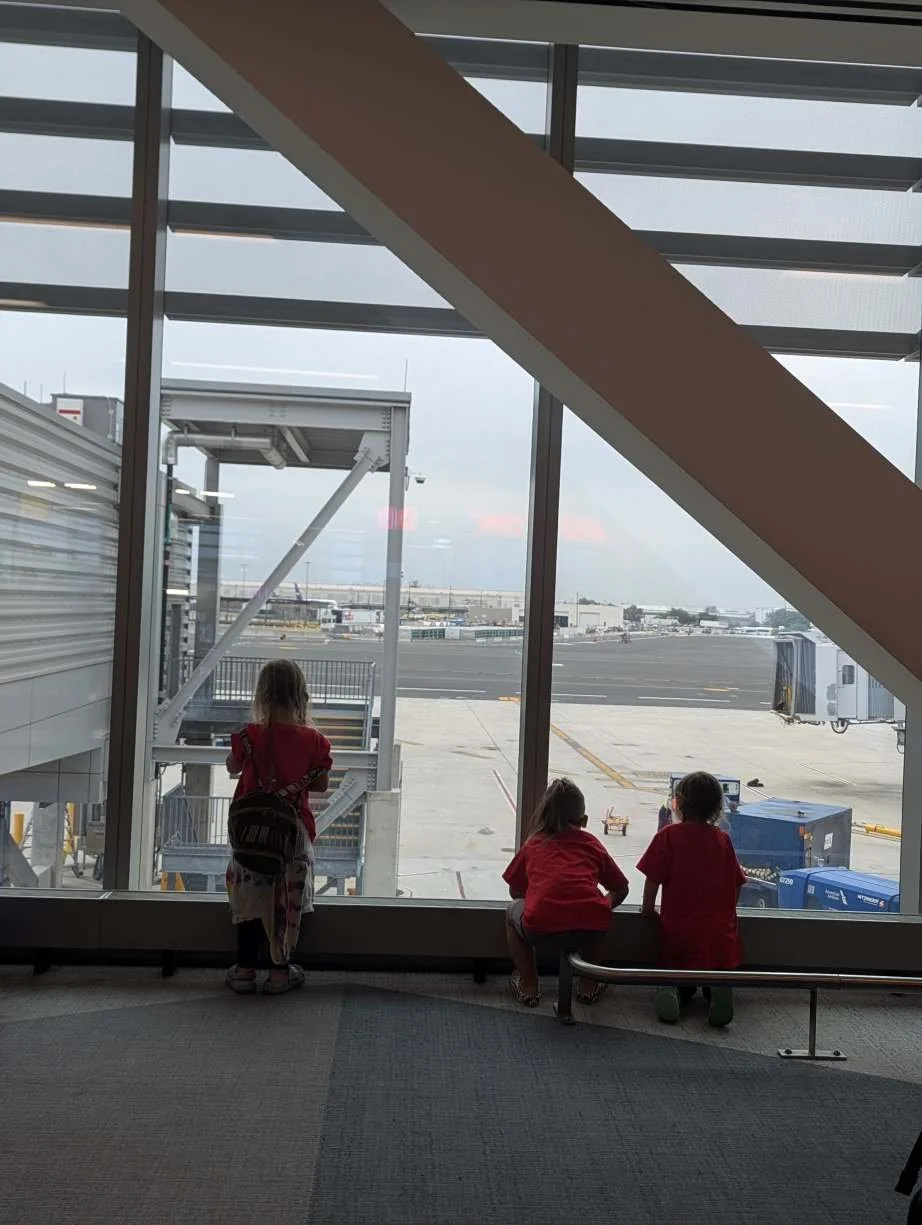
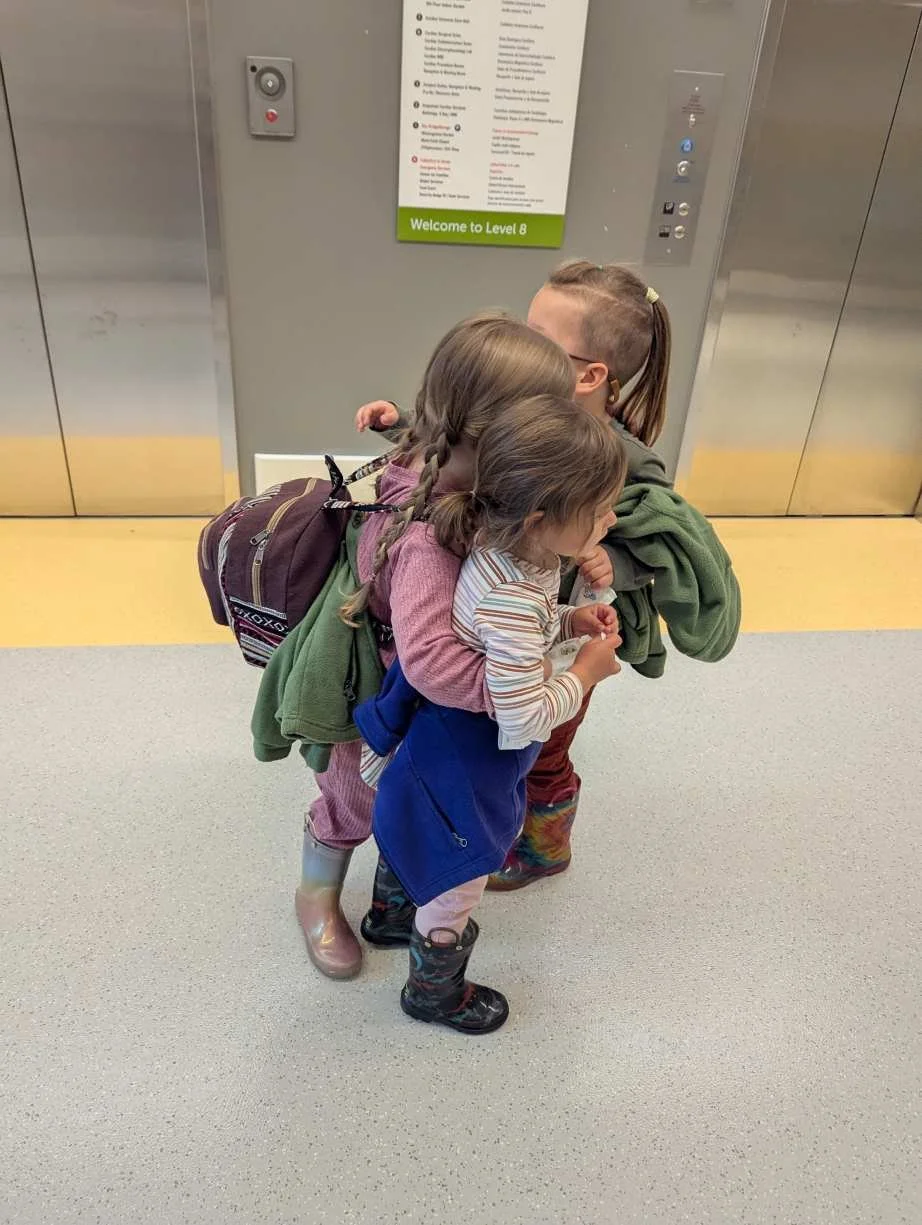
We are a family of 5, with 3 being young children. We live in Virginia, and Freya needed to receive care in Massachusetts. It was always a difficult and expensive situation having to travel so far with so many. Having to travel so often within this last year has been a huge burden financially. This trip we were able to fly up and back within a weekend so we didn't need to take time off of work!
Freya's cleft repair was in June 2025 and by September we had to travel back for a post-op follow-up. At the follow-up, my daughter was cleared of all thickeners, inhalers and nebulizer!
It has been like night and day since her repair and she no longer shows any signs of aspirating.
The Laryngeal Cleft Network is such a great resource and asset to all families affected by this congenital defect. I feel incredibly blessed. We found the organization and can't wait to help out in the future.