Ethan’s Type 1 Cleft Journey
Massachusetts, USA
By Leanne Fortini
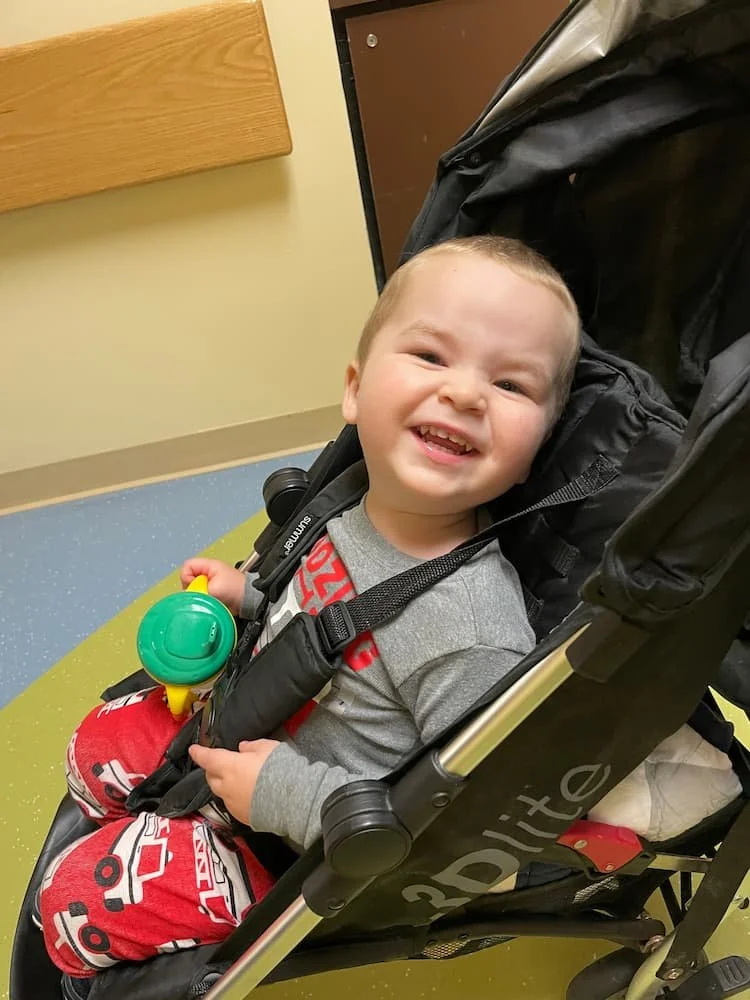
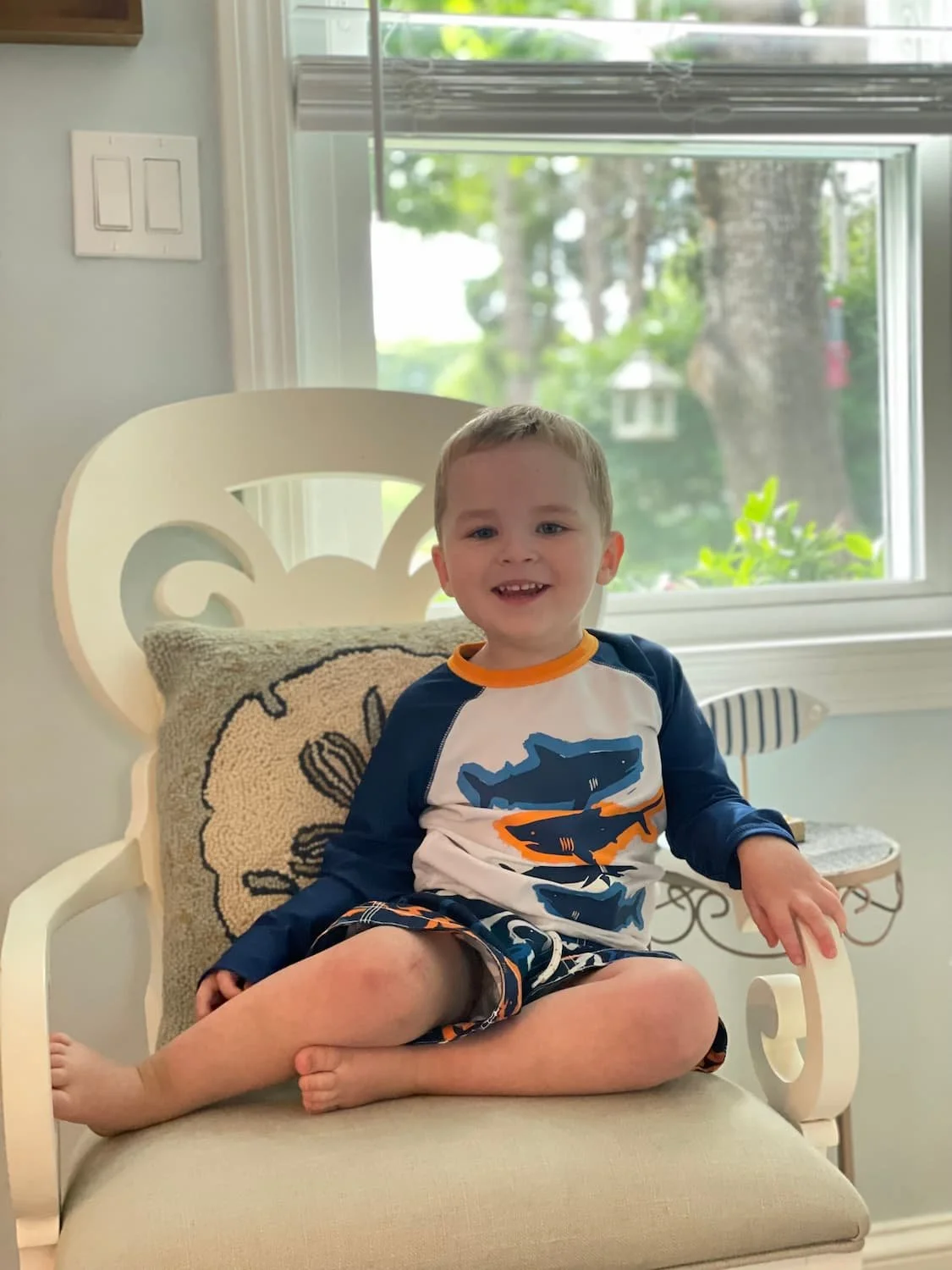
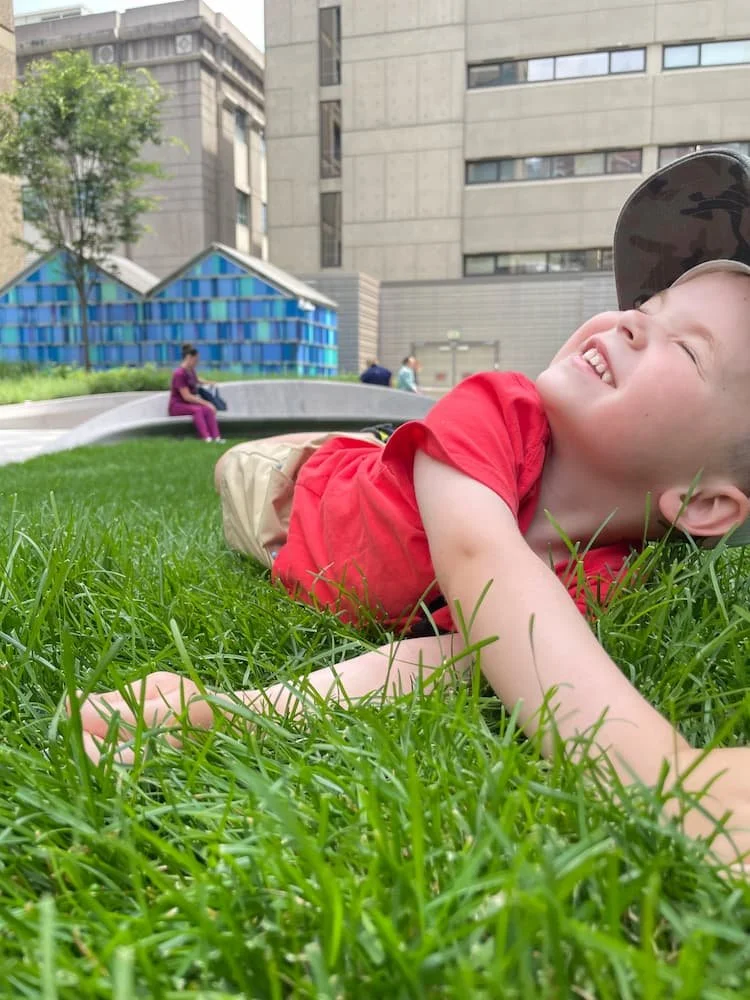
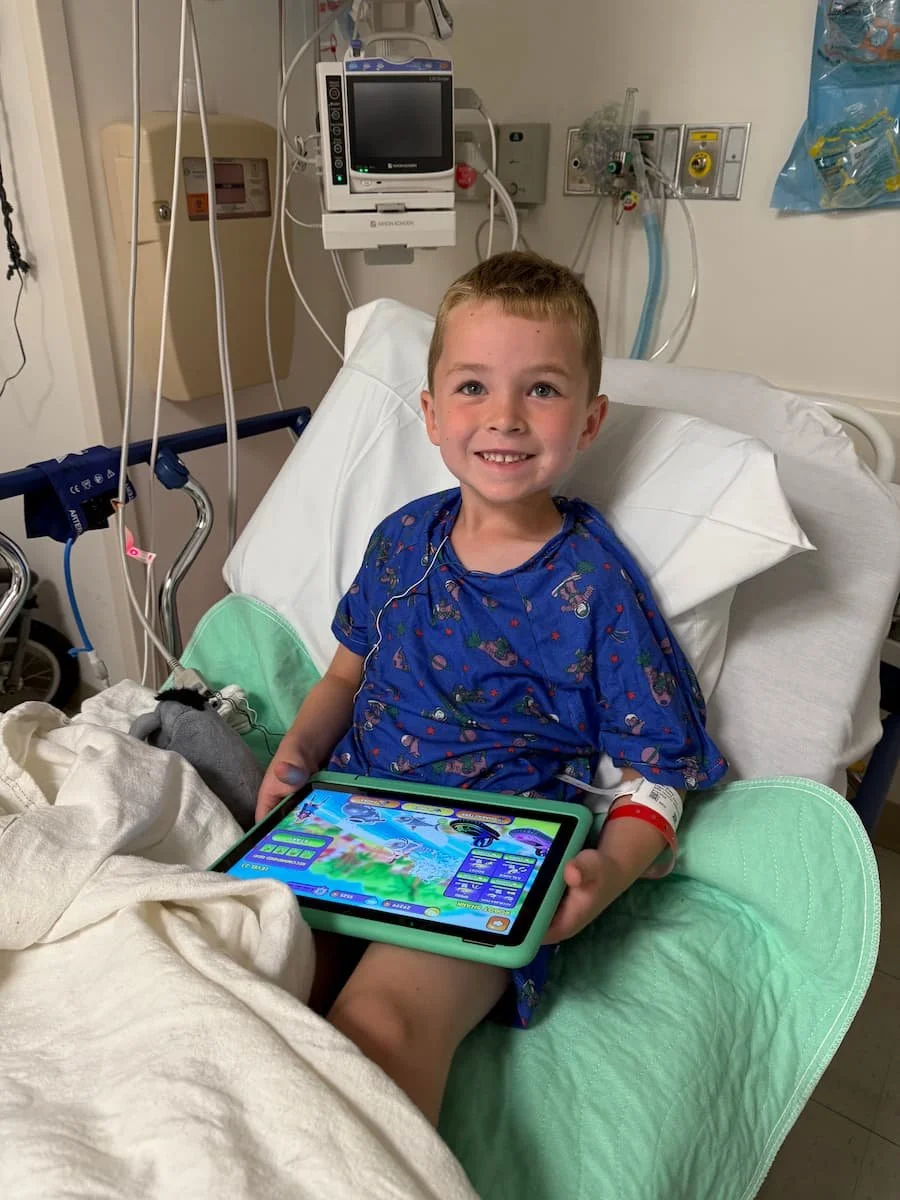
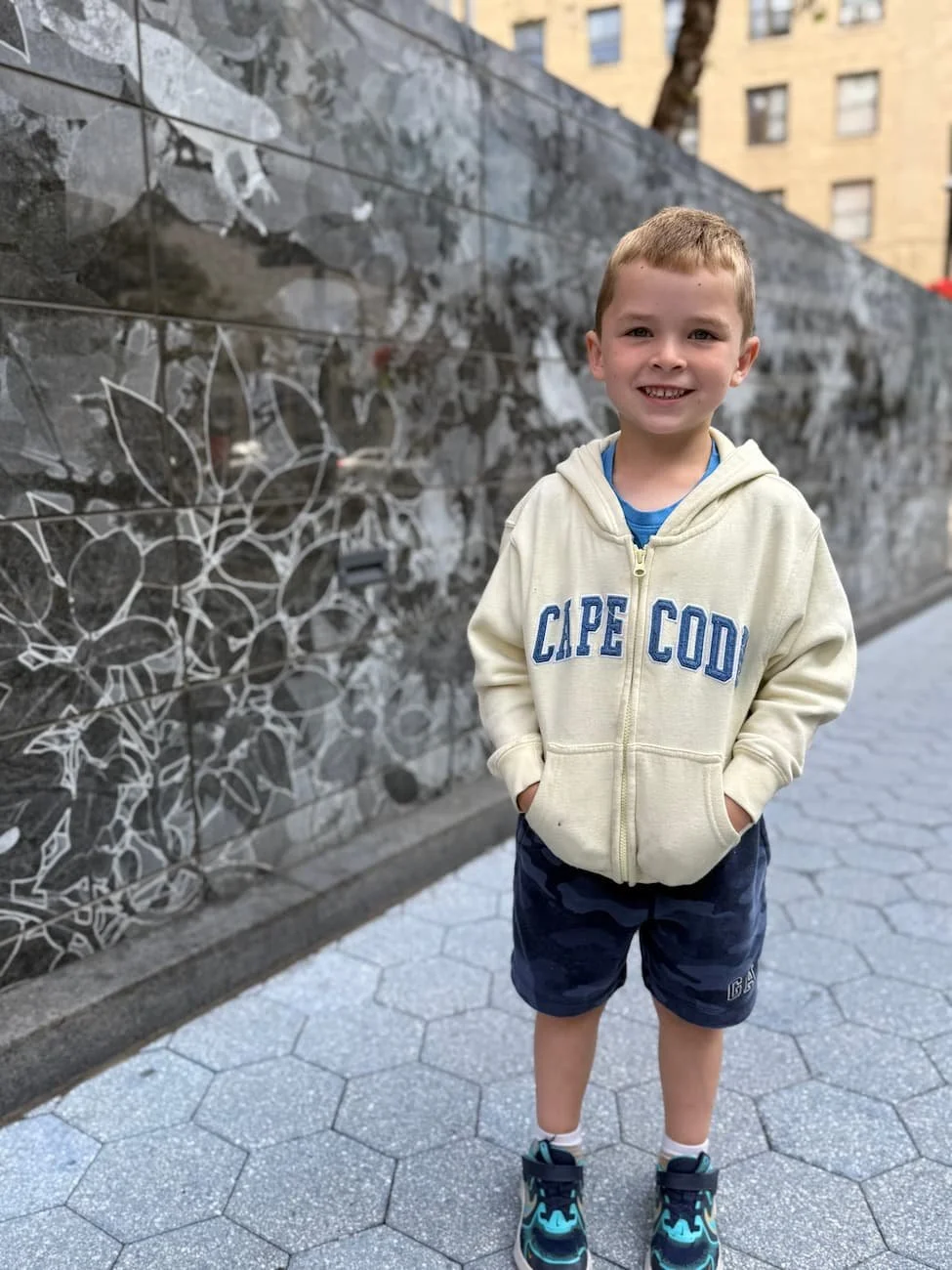
Meet Ethan, a simply amazing child with a type 1 laryngeal cleft. His story is one of endurance, faith, and the relentless pursuit of answers. Through every challenge, Ethan has shown us the meaning of resilience and strength. His long and complicated medical journey stands as a testament to the power of persistence, intuition, and love.
The Beginning
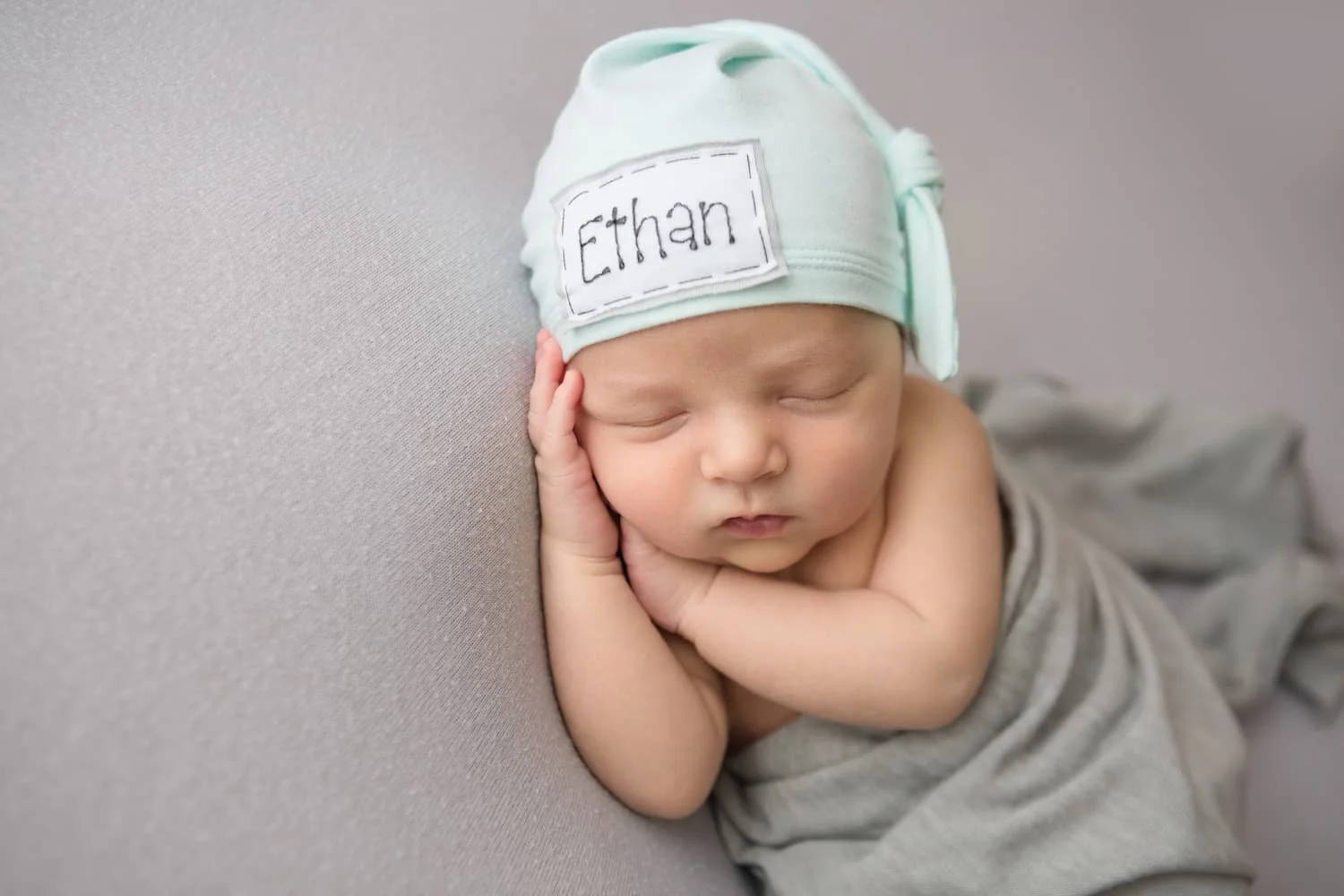
Ethan was born in August 2019, a bright and happy baby who instantly filled our lives with joy. But within his first few weeks, it became clear that something was not quite right. He struggled to feed and often appeared uncomfortable or fatigued while breast and bottle feeding. After visiting specialists, Ethan underwent a tongue- and lip-tie release with a pediatric dentist in Albany, NY. We hoped this would solve the problem, but his symptoms persisted.
Over the following months, Ethan’s immune system was constantly tested. He contracted influenza A twice and later RSV with bronchiolitis, which led to respiratory distress. He was prescribed a rescue inhaler, and during one pediatric visit, a heart murmur was detected. We were told to monitor it and return for follow-up testing.
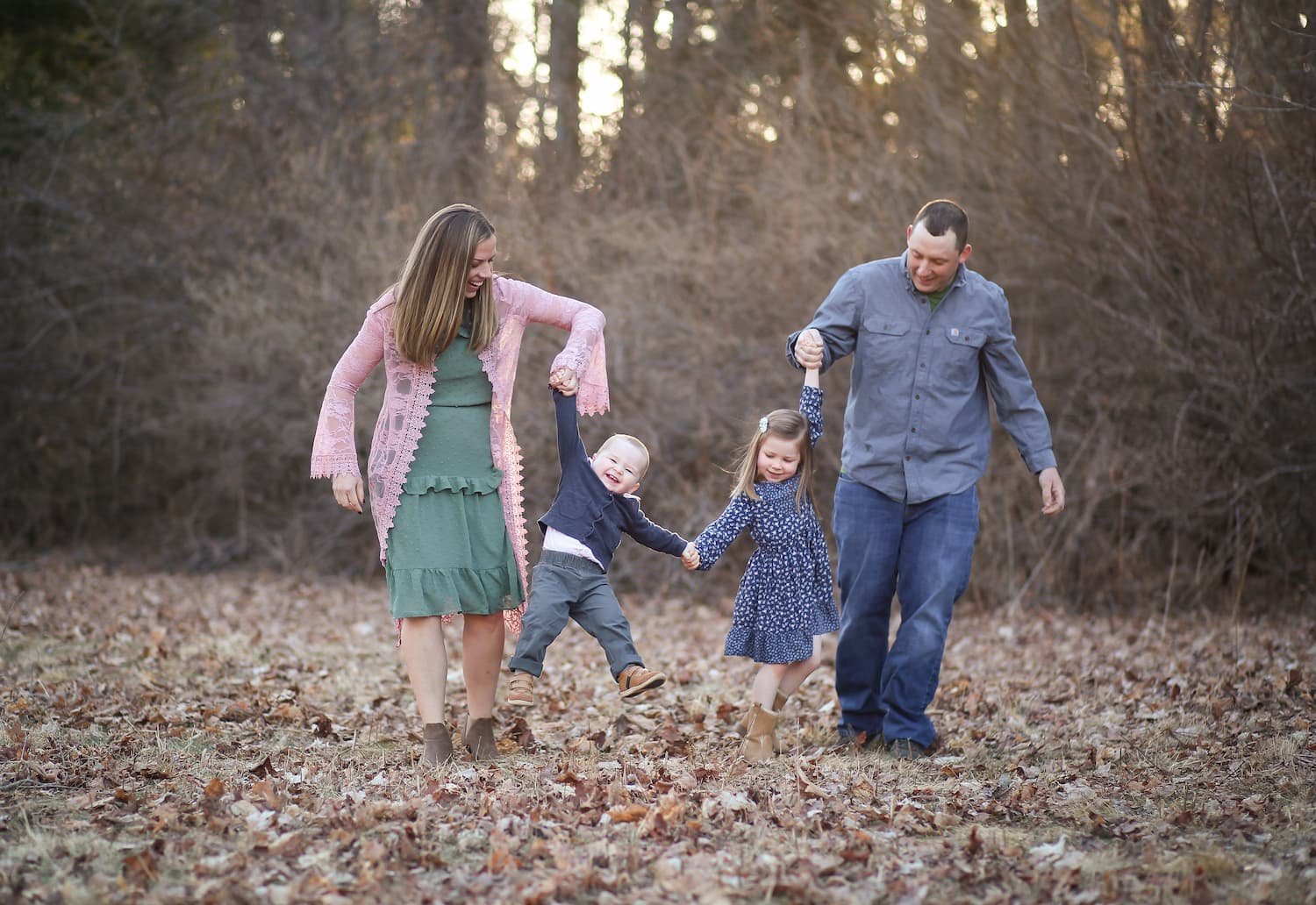
Then came the pandemic. When the world shut down in 2020, our small family of four entered a careful isolation bubble. Subsequently, this became Ethan’s healthiest period. At his wellness visit, the heart murmur was no longer audible. He was laughing, growing, and thriving. For a short while, life felt peaceful and normal.
The First Red Flags
By 2021, COVID restrictions loosened and Ethan began attending daycare regularly. As we re-entered the world, viruses inevitably followed. Early that year, all four of us contracted COVID. Once we recovered, Ethan began another pattern of illness—recurrent coughs, congestion, and fatigue that seemed never-ending.
In August 2021, he was seen multiple times by our pediatrician for these same symptoms. On one visit he was diagnosed with bilateral ear infections, prescribed antibiotics, and given the first dose that evening. Within hours, he went into respiratory distress. We rushed to the emergency department, where he was admitted to the hospital. Doctors debated his condition—bronchiolitis, pneumonia, or possibly dehydration—but no one could pinpoint the cause. His cough lingered long after discharge, and each new visit to the pediatrician produced more questions than answers.
When I requested the hospital records later, I discovered notes mentioning possible congestive heart failure and chest X-ray findings suggesting early or atypical pneumonia. We were frightened and confused. Ethan on the appearance side of things looked like a healthy toddler; however, he was exhausted and always struggling to breathe comfortably.
The Cycle of Sickness
In July 2022, our family went on vacation to Cape Cod. Ethan loved the beach and ocean, but one day he accidentally swallowed seawater and later developed a fever and cough. Days after returning home, our babysitter called—Ethan was vomiting bile and what looked like black coffee grounds. Terrified, we brought him to the pediatrician. A quick test for internal bleeding came back negative, but his cough persisted for months.
From July through November 2022, Ethan remained chronically ill. Despite multiple negative viral panels for COVID, influenza, and RSV, his symptoms never fully resolved. In November, another emergency visit brought new diagnoses: reactive airway disease, influenza A, and bronchiolitis. His oxygen levels were again in the high 80s to low 90s, and he was started on a daily steroid inhaler. The cough continued through the holidays, and another chest X-ray showed hyperinflated lungs with prominent interstitial markings, consistent with chronic airway inflammation. Still, there were no clear answers.
A Mother’s Intuition
By early 2023, I felt deep in my heart that something more was wrong. Ethan’s coughing was constant. He snored loudly, had pauses in his breathing during sleep, and often complained that food “felt stuck” in his throat. His lymph nodes were swollen, and he was constantly fatigued. I requested a sleep study, which showed mild obstructive sleep apnea.
We requested a consultation with our local pulmonologist, who became a turning point in Ethan’s care. This doctor listened closely—not just to me, but to Ethan’s lungs. He diagnosed asthma and atelectasis (partial collapse) of the right middle lobe, and he ordered further testing: allergy panels, imaging, and a lateral neck X-ray. The X-ray revealed adenoidal hypertrophy pressing on his airway. For the first time, we felt seen.
Ethan’s symptoms temporarily improved on a steroid course, but 12 days after finishing, the cough returned. His allergy work-ups came back negative, and we were referred to a well-known children’s hospital for comprehensive evaluation by ENT, pulmonology, gastroenterology, and allergy specialists.
Expanding the Search
Our first children’s hospital visit in February 2023 included an in-office laryngoscopy. Doctors noted 30 percent adenoidal enlargement, possible dysphagia (swallowing difficulty), and mild conductive hearing loss. They recommended a feeding evaluation and swallow study to check for aspiration, as well as follow-ups with other specialists.
At this point, we also switched pediatricians. Our new provider has and continues to treat us with compassion and urgency. I cannot overstate how crucial that change was and has been—finally, a doctor who listens.
Locally, further tests revealed that although Ethan had been fully vaccinated, he showed no protective antibodies against pneumococcal, diphtheria, or tetanus. Additional immunology work-ups were ordered.
In March 2023, Ethan underwent his first modified barium swallow (MBS) study. It showed laryngeal penetration—meaning fluids were entering the upper airway—and occasional gagging and coughing with thin liquids. The team recommended continuing regular foods and thin liquids, but I still sensed danger.
By April, the results spoke for themselves: repeated infections, aspiration symptoms, and pneumonia. We met with a gastroenterologist, who ordered an esophagram (normal) and a trial of a proton-pump inhibitor to rule out reflux-related irritation. The medication made no difference. That same month, Ethan had another bout of pneumonia. His allergist began raising the possibility of recurrent aspiration and suggested a bronchoscopy and endoscopy. A sweat test for cystic fibrosis came back negative.
Pieces of the Puzzle
A second swallow study in April 2023 showed trace aspiration of thin liquids and penetration with slightly thick liquids. To protect his lungs, Ethan began a diet of nectar thick thickened fluids, using Simply Thick Easy Mix to increase viscosity of his consumed liquids. It worked—his cough improved, and we finally had a management plan.
Still, his journey continued. He saw a cardiologist in May to rule out heart involvement—thankfully, the echocardiogram was found to be normal. He received booster vaccines to restore his missing antibodies.
Over the summer, Ethan experienced his longest healthy stretch yet, while being at home for the summer. With fewer preschool germs around him, his cough nearly disappeared. However, every time we attempted to wean the thickener, symptoms returned. His multidisciplinary team concluded that he might need a triple scope (DLB)—a combined airway, GI, and pulmonary evaluation under anesthesia.
In October 2023, Ethan underwent the first triple scope. Despite everyone’s hopes, no abnormalities were found. His brain MRI and repeat sleep study afterward were also normal. We were devastated—still no answers.
The Setbacks
Through early 2024, Ethan’s pattern persisted: long periods of apparent stability interrupted by sudden illness. In January, after accidentally drinking juice that was not thickened, he developed aspiration pneumonia again. In March, a repeat sleep study showed improvement—no apnea—but in May, a third MBS revealed silent aspiration. This meant liquids were entering his airway without triggering any visible symptoms. Doctors deemed thin liquids unsafe and ordered us back to the stricter ratio: one packet of thickener per six ounces of liquid.
That spring, his pulmonologist referred us to the aerodigestive clinic at the children’s hospital, where specialists from GI, ENT, pulmonology, and speech worked as a single team. It was a relief to know we would finally be seen by everyone at once.
Hope in Sight
In September 2024, Ethan developed another severe cough. A pediatrician diagnosed suspected aspiration pneumonia, and the next day an emergency department visit confirmed mycoplasma pneumonia. He was treated successfully, but weakened. At the October 2024 aerodigestive clinic visit, the team recommended repeating the swallow study in spring 2025 after viral season, and to gradually wean thickener if tolerated.
Then, in February 2025, Ethan had another frightening episode. After exhausting his rescue inhaler, his oxygen dropped into the high 80s. He tested positive for coronavirus OC43 (not COVID-19). He recovered after steroids and inhaled medication, but we felt the urgency to press forward.
In May 2025, Ethan underwent his fourth MBS. Once again, it showed silent aspiration. The team speculated about possible anatomical causes such as a laryngeal cleft or Chiari malformation, conditions sometimes missed on earlier exams. After this discussion we decided to reach out to a specialized center for airway disorders for a second opinion from one of the nation’s leading experts in pediatric airway anomalies.
The Diagnosis
After reviewing Ethan’s exhaustive history, the ENT from this specialized clinic agreed that another triple scope/DLB was warranted. Despite prior “normal” scopes, his symptoms and aspiration pattern strongly suggested an underlying structural issue.
On September 9, 2025, Ethan underwent the repeat procedure —this time with both his aerodigestive and airway disorders teams present. After nearly four years of uncertainty, the doctors finally found the missing piece:
A classic type 1 laryngeal cleft, with mild tracheal edema and cobblestoning of the airway lining.
Pulmonary findings showed inflammation consistent with chronic aspiration. For the first time, we had a definitive explanation. Ethan’s swallow mechanism allowed liquids to slip into his airway through a gap between the larynx and esophagus—a defect invisible on prior studies.
The ENT recommended an endoscopic repair of the cleft to close the opening and prevent future aspiration. The relief we felt is indescribable—after years of doubt, countless tests, and sleepless nights, we finally have an answer.
Living With Gratitude
The road to Ethan’s diagnosis was long—spanning six years, dozens of specialists, multiple hospitals, and hundreds of sleepless nights. As parents, we learned to trust our instincts even when told that our concerns were “normal.” We learned that sometimes, the parent’s intuition is the single most important diagnostic tool.
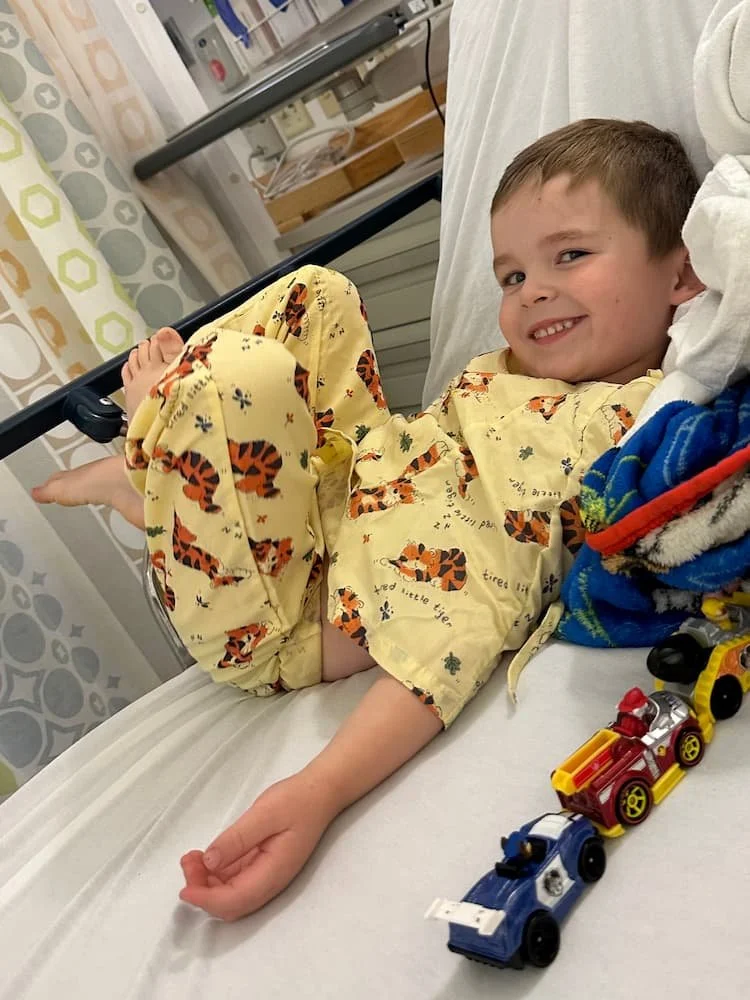
Today, Ethan continues to thrive under the care of his incredible team. He takes medication as needed, drinks thickened liquids for safety, and is anticipating positive results with the next stage of his treatment plan. His courage inspires everyone who meets him. He faces each doctor visit, blood draw, and test with a bravery beyond his years.
We are profoundly grateful to our ENT and other specialists, as well as the children’s hospital and all the nurses and therapists who never gave up, who listened, and helped us through to this point in Ethan’s journey. We also honor every family still searching for answers—because sometimes, the path is long, but the destination is worth every step.
What We’ve Learned
Ethan’s journey taught us that advocacy is not optional—it’s essential. We learned that:
- Parents know their children best.
- A “normal” test doesn’t always mean nothing is wrong.
- Collaboration among specialists can change everything.
- Patience, prayer, and persistence can reveal what science alone sometimes misses.
A Mother’s Reflection
Looking back, I see how every setback led us closer to the truth. Ethan’s resilience carried us through the darkest moments. Despite every obstacle, he remains joyful, compassionate, and endlessly curious. His laughter is a reminder that even fragile airways can carry strong voices.
As we prepare for his upcoming cleft repair, we hold onto the same faith that guided us through this journey—the belief that perseverance, love, and faith can overcome even the hardest medical mysteries.
Ethan’s story is not just about a diagnosis; it’s about the strength of a child who never gave up, the power of a family’s love, and the incredible impact of doctors who listen.
To every parent reading this: trust your instincts. Keep asking questions. Don’t stop until you find the answer.
Because somewhere, there’s a doctor who will finally say the words you’ve been waiting to hear: “We found it.”
And that moment changes everything.