Finn’s Type 1 Laryngeal Cleft Journey
South Carolina, USA

By Kirbi Lamb
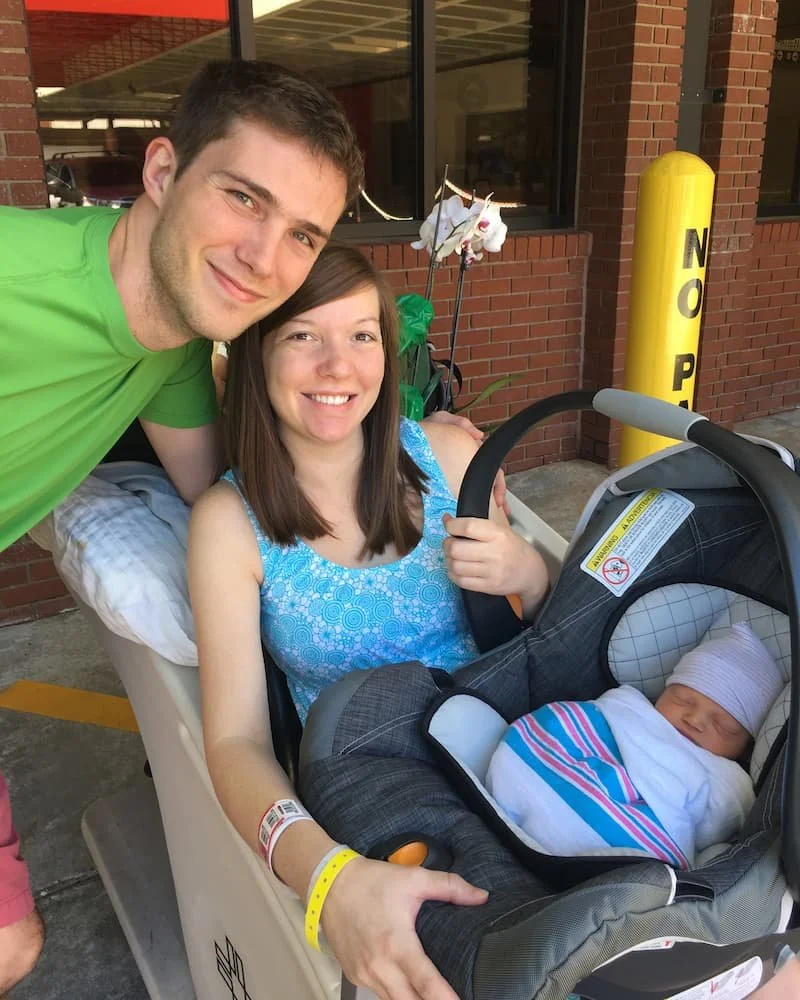
Finn was born at 39 weeks with no complications noted at birth. However, from the very beginning, something did not seem right with feeding.
Finn would not latch or feed in the hospital. I was a brand-new mom and didn't know what was normal, but I remember feeling incredibly stressed from the very first day because my baby simply wasn't interested in eating. The hospital lactation consultant wasn't able to see me until the morning we were discharged, and the medical staff did not seem concerned. After an otherwise normal hospital course, we were sent home.
I had planned to exclusively breastfeed Finn and was so excited about beginning that journey with him. Instead, I quickly had to learn how to use a breast pump because Finn would only take my breast milk from a bottle. Even then, we noticed that a lot of milk would dribble down the corners of his mouth. We were new parents and had no idea that this wasn't normal.
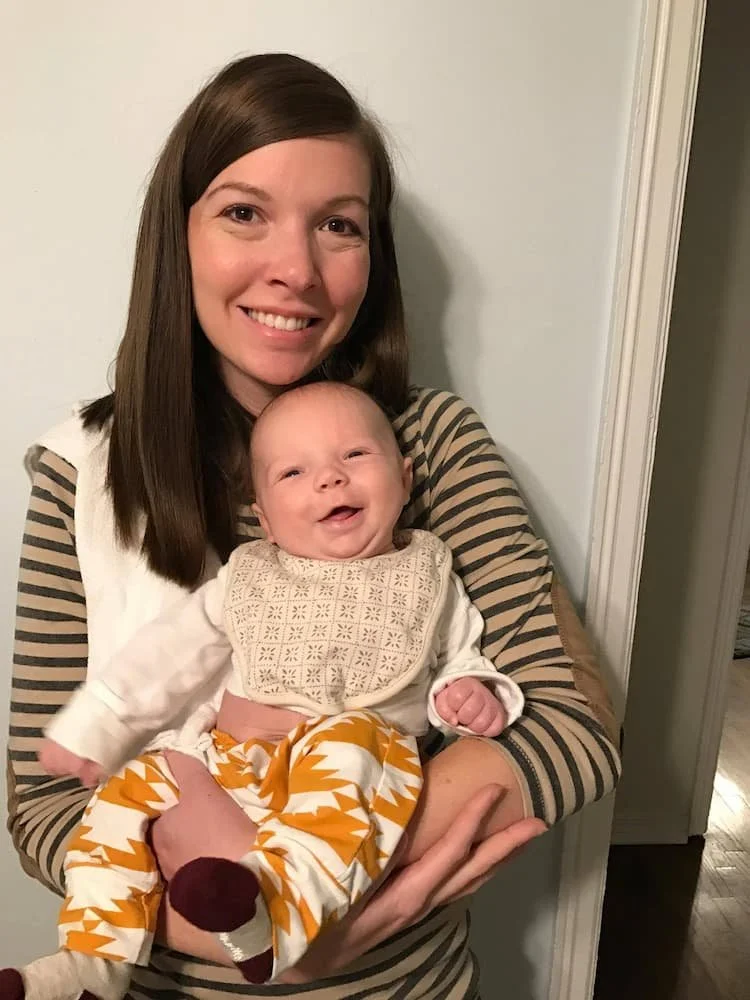
When Finn was just a few weeks old, he began vomiting his entire bedtime feedings. Soon after, he was diagnosed with bronchiolitis. A month later, he had pneumonia and bronchiolitis again.
He began refusing his bottles and was drinking less than half of the recommended amount for his age. We were in the pediatrician's office almost every week because of his vomiting and respiratory problems, but our concerns were repeatedly dismissed.
His pediatrician ordered an upper GI series early on, but the results were normal. We tried medications for acid reflux, but they didn't make a difference. We eventually saw a GI specialist, who told us that Finn was simply "too busy to eat" and that because he was still following his growth curve, there was nothing to worry about.
Looking back, there were so many signs that something was wrong. At the time, though, we trusted that the people caring for our baby would recognize those signs.
Finally, when Finn was 11 months old, his pediatrician ordered a swallow study. We knew it was a test to look at his swallowing function, but we didn't understand what it could reveal. Our world completely flipped upside down that day when we were told that Finn had been aspirating since birth and needed to start thickened liquids immediately.
I remember walking down the hallway after receiving the results. Nothing felt real. I felt like I was wading through clear Jell-O, completely overwhelmed by the realization that my baby had been silently aspirating for his entire life.
It is impossible to separate Finn's medical journey from my own mental health journey during those years.
I was suffering from severe postpartum depression and anxiety, which were made even worse by having my concerns repeatedly invalidated by friends, family, and medical professionals. I had spent nearly a year feeling like something was wrong with my child, only to finally learn that my instincts had been right all along.
Once we had the results of the swallow study, Finn's medical issues were finally taken more seriously. His GI doctor ordered a triple scope, and during that procedure, his ENT discovered a type 1 laryngeal cleft.
By that point, I had lost all confidence in the doctors in the major city where we were living. I began researching the best laryngeal cleft teams in the country, and we were incredibly fortunate to be able to travel to a well-known children’s hospital.
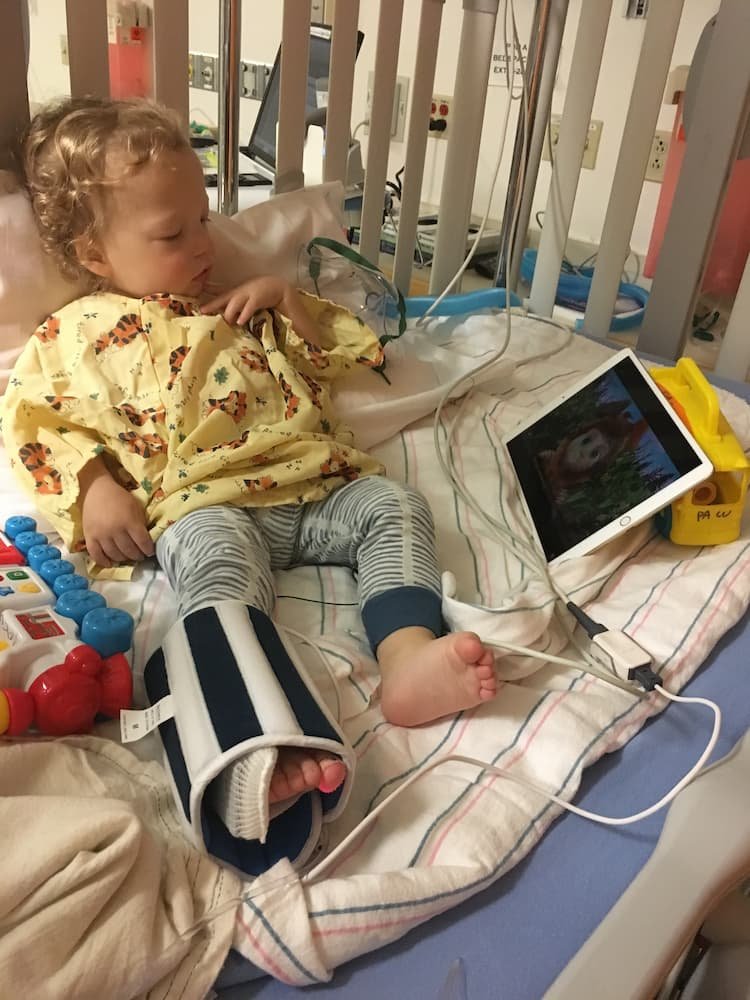
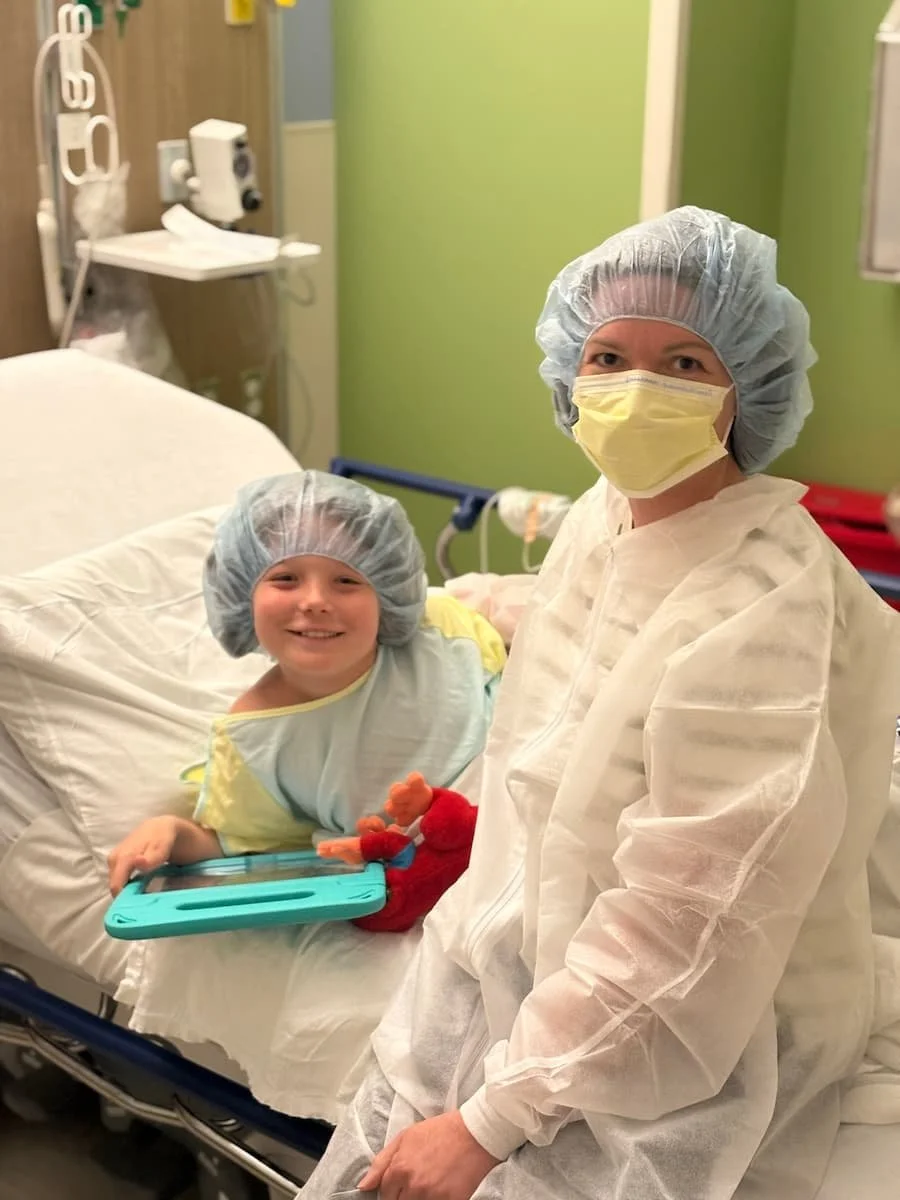
We spent an entire week there going from appointment to appointment with the aerodigestive team. They confirmed Finn's diagnosis and, at 18 months old, he underwent surgery to repair his cleft.
After the repair, Finn's health slowly began to improve. About a year later, we were finally able to wean him from thickened liquids to thin liquids using straws.
After an unfathomable amount of tests, we later discovered that he was also struggling with lactose intolerance, which explained some of the additional feeding difficulties he had experienced.
Unfortunately, Finn was eventually diagnosed with Avoidant Restrictive Food Intake Disorder (ARFID), a condition involving significant fear and avoidance around food. For Finn, that fear was rooted in his earliest experiences with feeding, aspiration, vomiting, and illness.
I firmly believe that if we had understood what was happening medically and had the right diagnosis and tools earlier, we might have been able to prevent some of the trauma surrounding food that he continues to struggle with today at 9 years old.
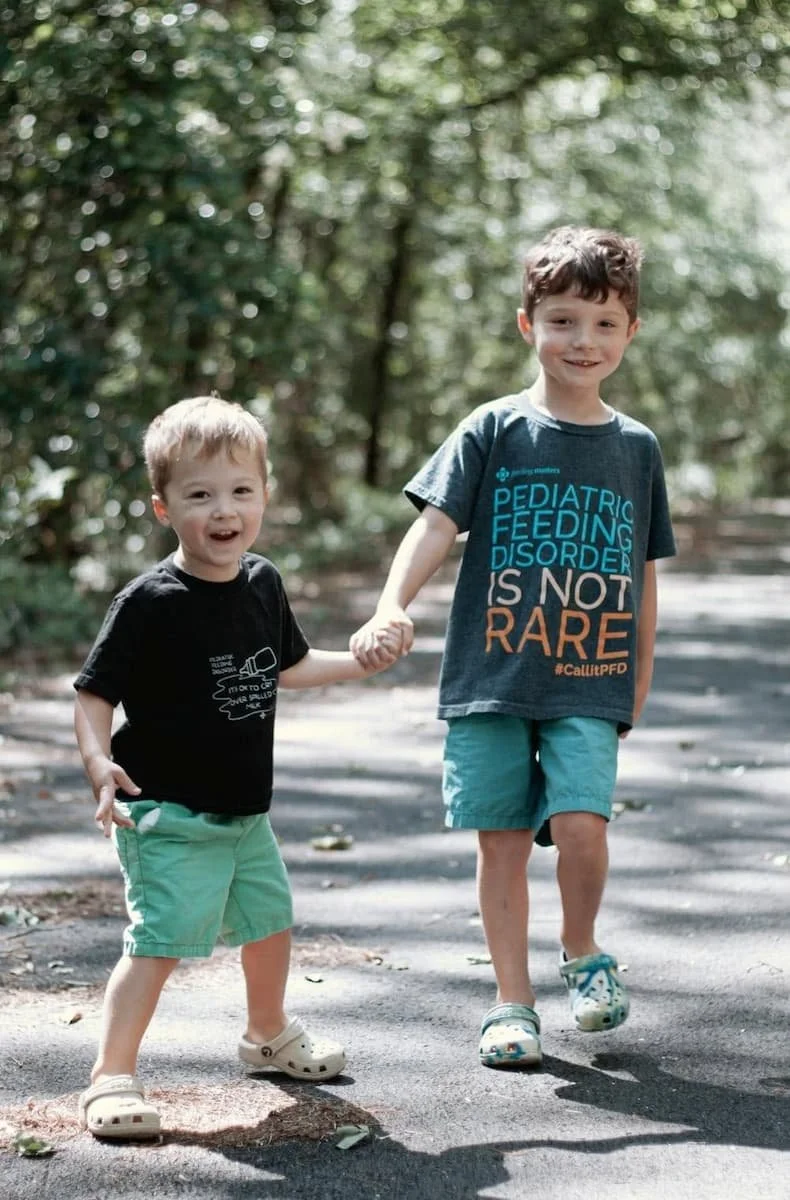
(My younger son, Reed, is proof of that for me. His laryngeal cleft journey looked very different because we knew what to look for and knew that feeding difficulties could be a sign of something much more serious.)
Finn’s journey still isn’t over. He continued to struggle with a chronic cough that had been present for most of his life. This year, another triple scope helped us finally understand why.
His cleft repair was still intact, but testing of his lungs showed that he was continuing to aspirate despite having a normal swallow study. He is now on a regimen of low-dose antibiotics, an inhaler, and acid reflux medication to help protect his lungs and keep him healthy.
After so many years of uncertainty, fear, and feeling like we were constantly fighting to have our concerns heard, our family is doing tremendously well.
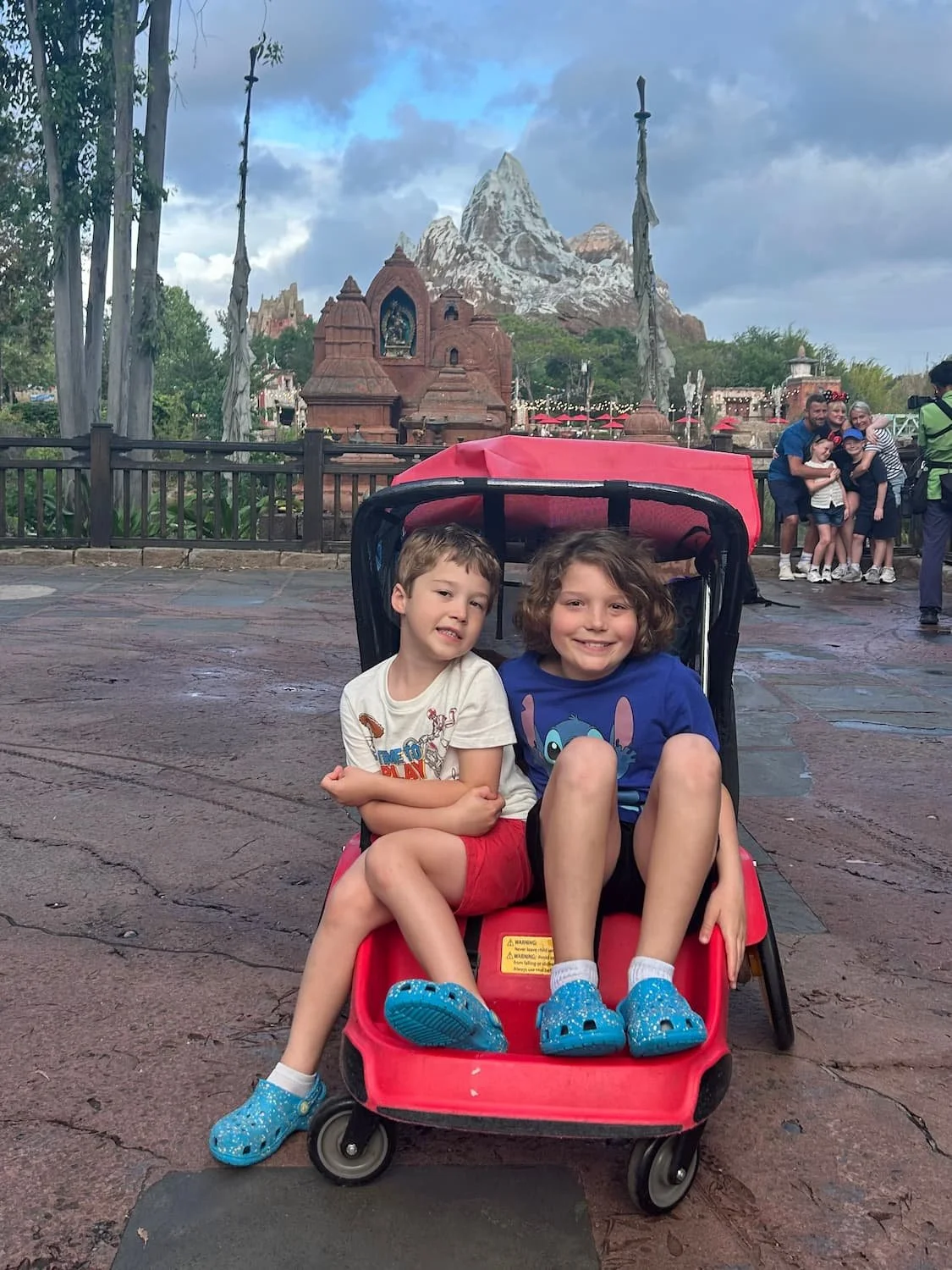
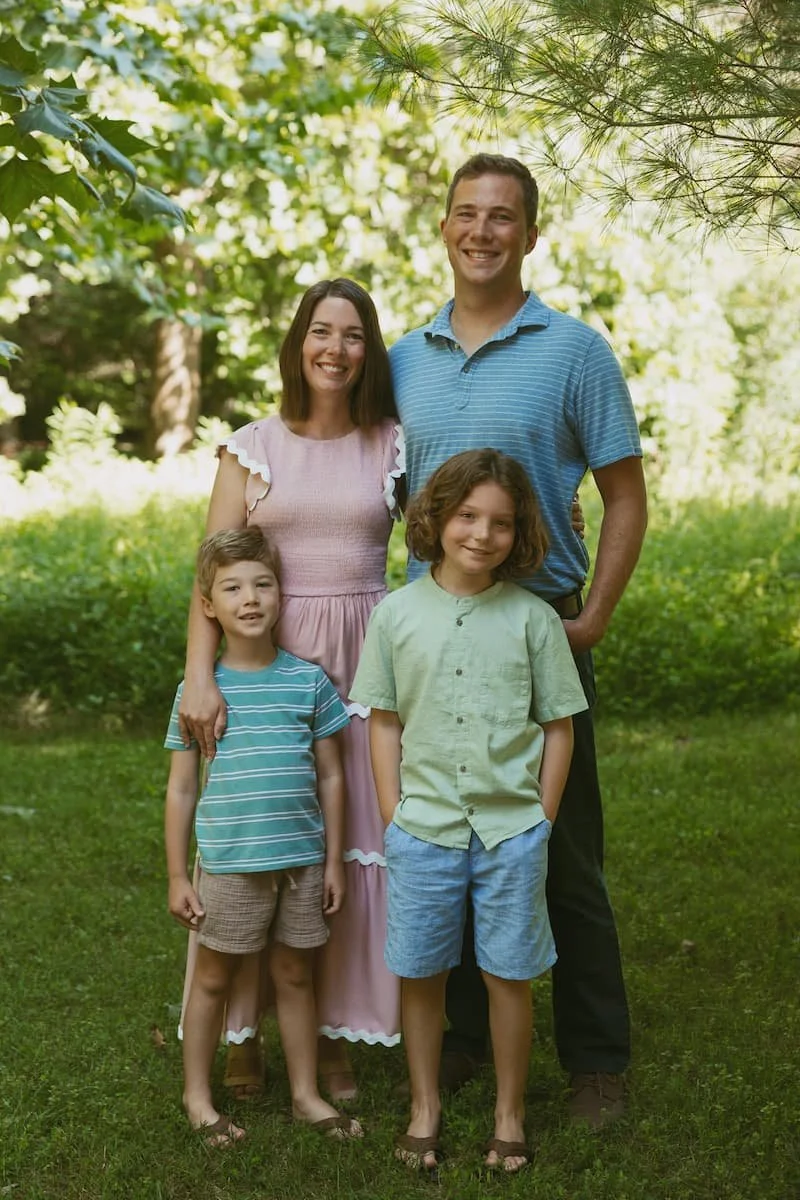
Finn is now 9 years old. He is mostly healthy, incredibly intelligent, and one of the kindest people I know. He loves art, musicals, reading, and playing video games with his friends. His medical journey has been a huge part of his childhood, but it is not the whole story of who he is.
I often think about the new mom I was when Finn was born—the mom who knew something wasn't right but didn't yet have the confidence to trust her instincts. I wish I could go back and tell her that she wasn't imagining it. She knew her baby. She knew something was wrong.
Finn's story is a reminder of how easily the signs of a laryngeal cleft can be overlooked, especially when a child is growing and otherwise appears healthy. I hope sharing his journey helps another parent recognize those signs, trust their instincts, and get the answers their child deserves a little sooner than we did.